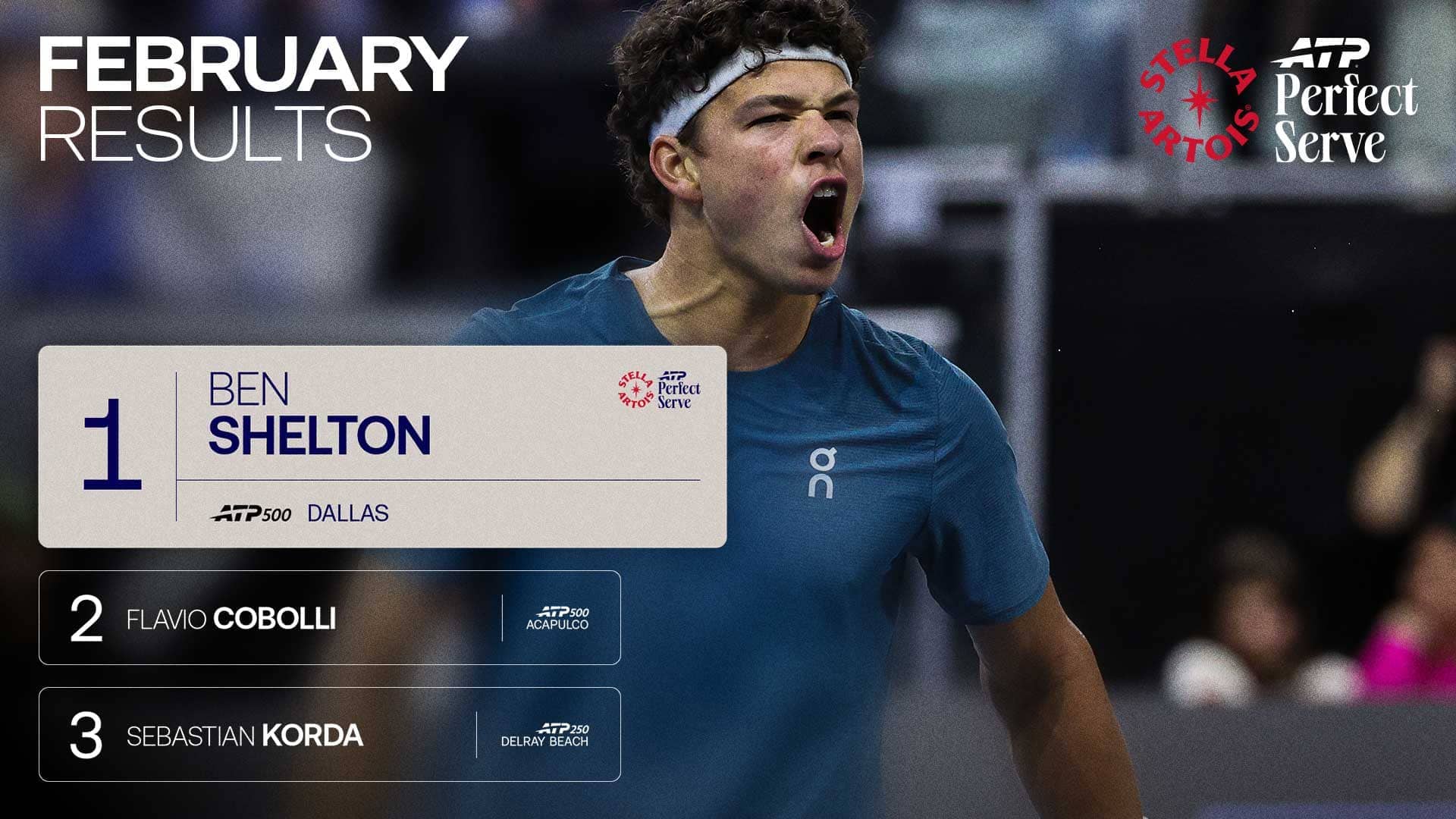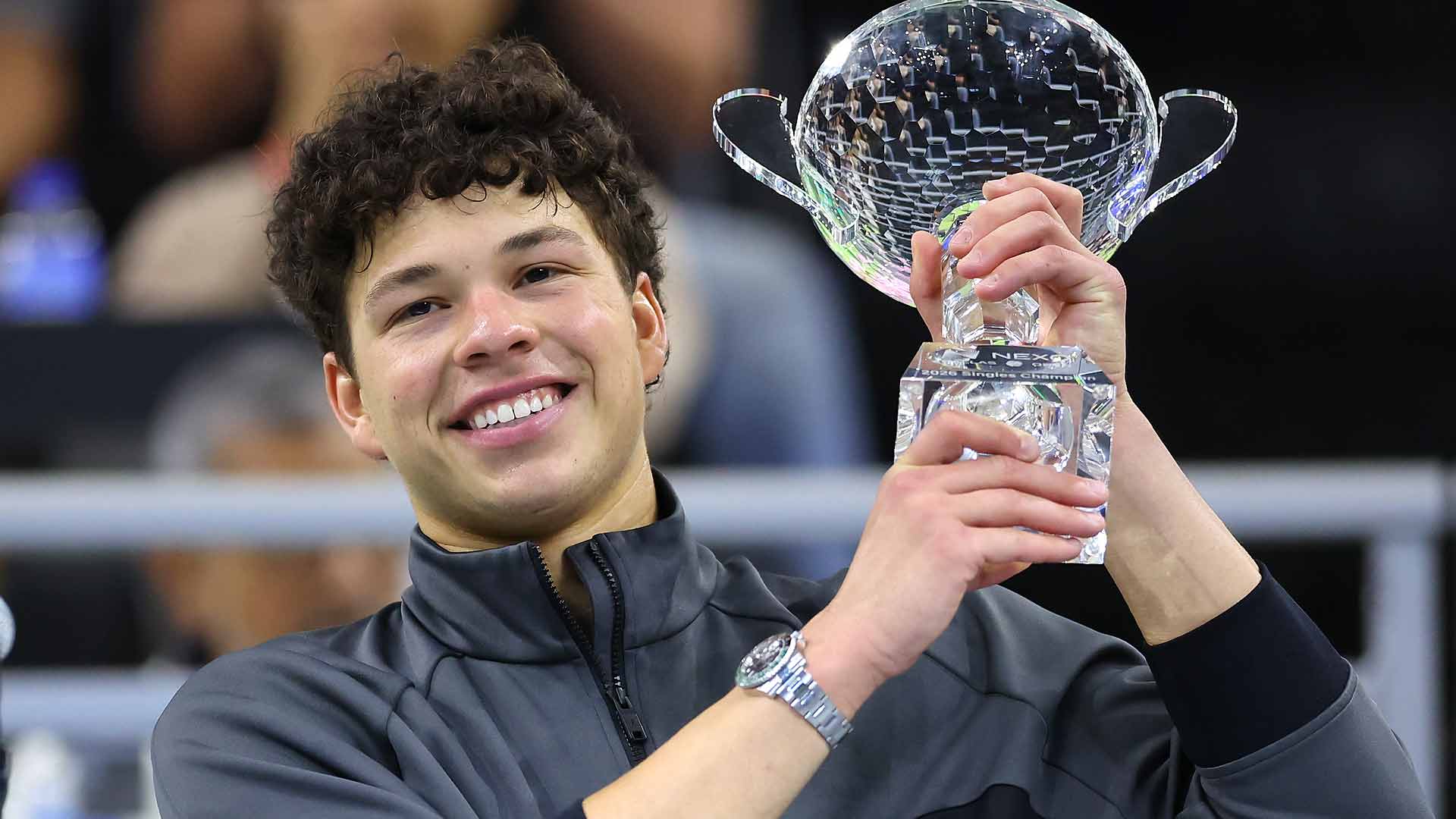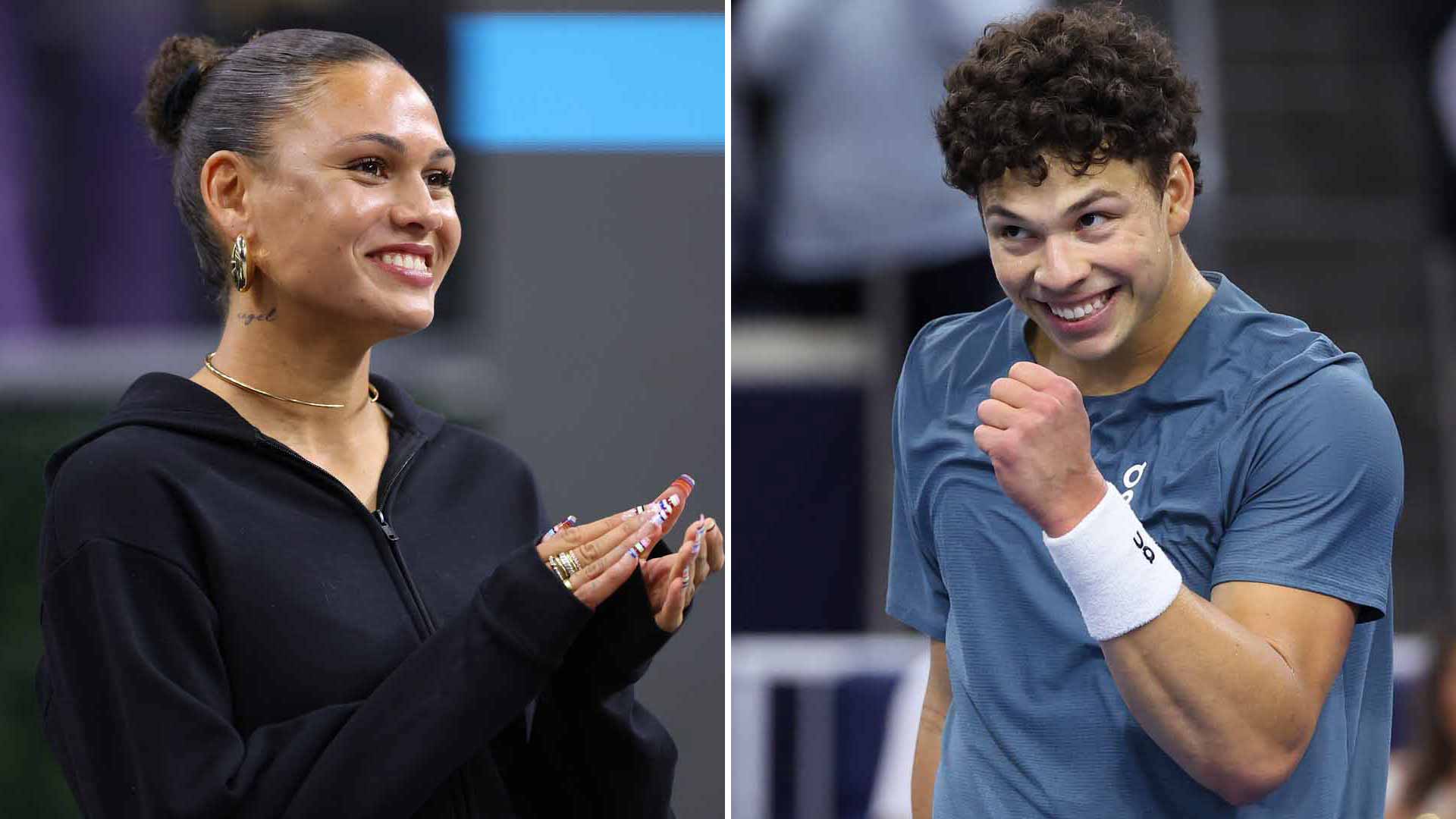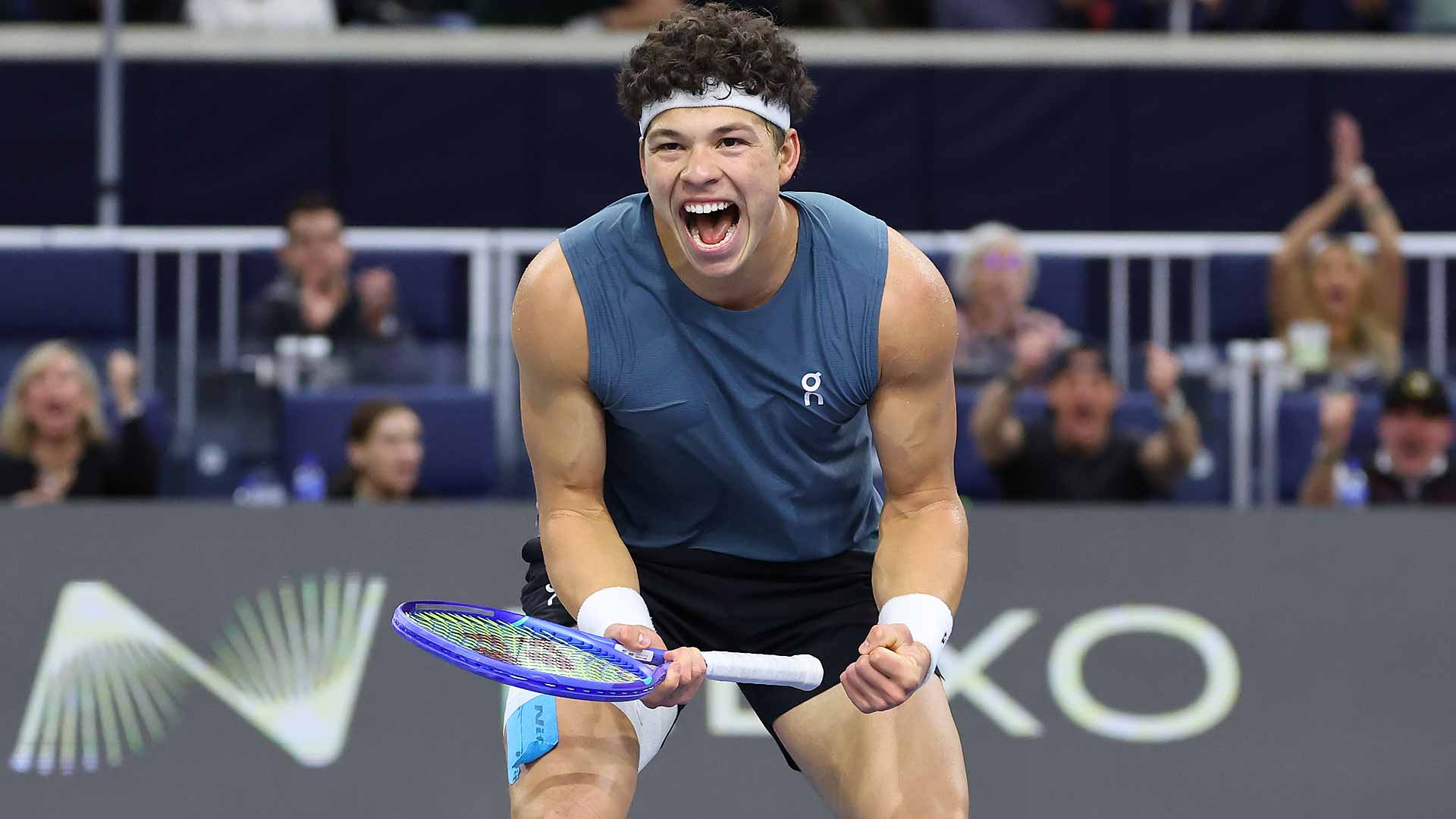



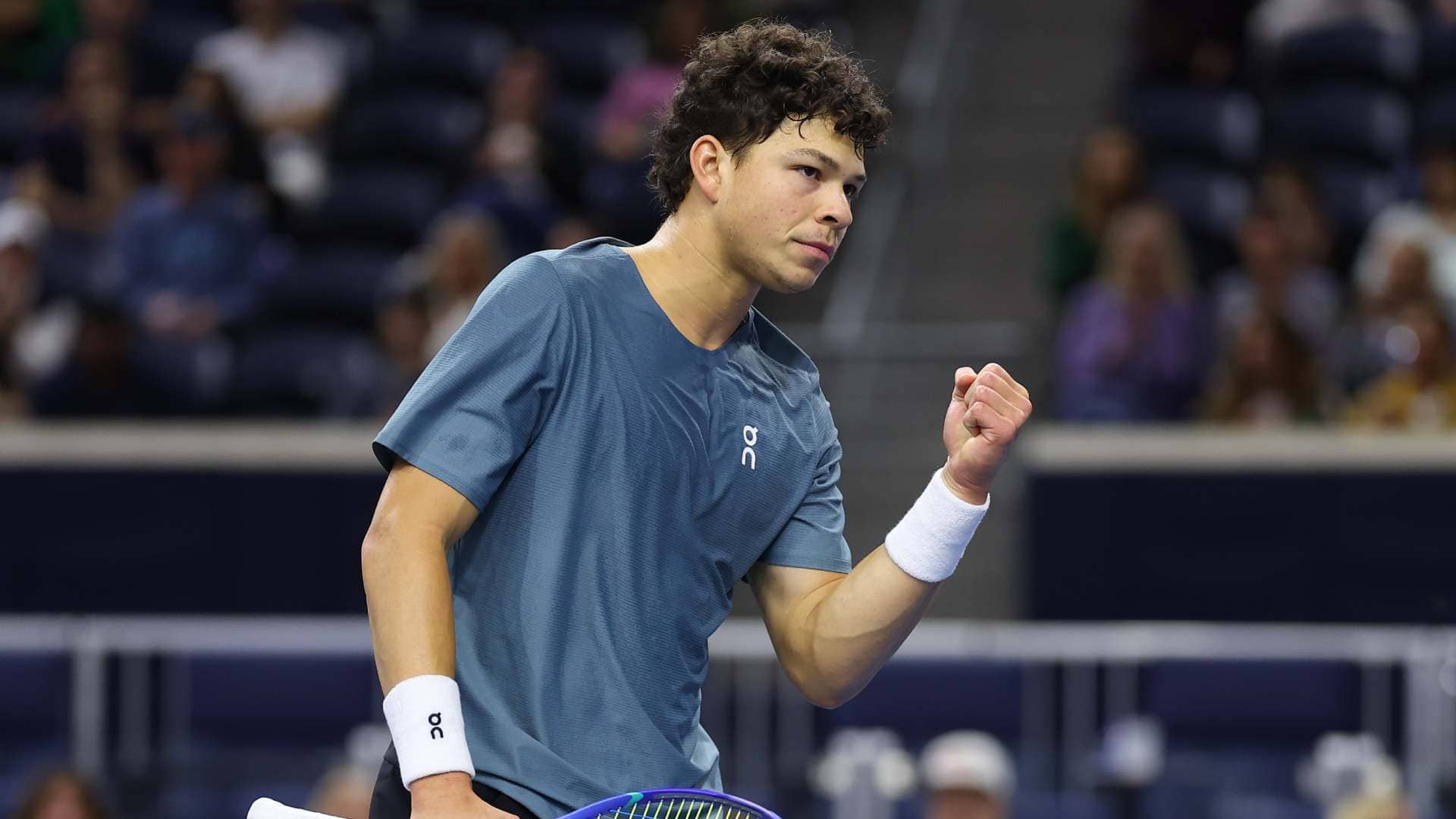
When Ben Shelton walks to the baseline, the dynamic of a match can shift instantly.
The 23-year-old American’s serve has long been the most potent weapon in his arsenal, but in 2026 it has the potential to evolve into something more precise, more strategic and more dangerous. That evolution was on full display against Gabriel Diallo on Tuesday at the ATP 500 in Dallas, where Shelton recorded a 9.4 Serve Score, according to TDI Insights.
Big Ben cracking the serve🔥@BenShelton produces serious speed and sits in the top 15 players on tour for average 1st serve speed and top 5 for average 2nd serve speed😤#TennisInsights | @atptour | @NexoDallasOpen pic.twitter.com/u3qpulqRKR
— Tennis Insights (@tennis_insights) February 11, 2026
During his 6-4, 6-4 win, averaged 132 mph on his first serve and 116 mph on his second serve. Shelton’s relatively small drop-off between first and second serve puts opponents under nearly constant pressure, and in today’s game, that margin is significant.
Shelton isn’t chasing the Top 5 — he’s trying to stay there. After winning his first ATP Masters 1000 title in Toronto last summer, he reached a career-high No. 5 in the PIF ATP Rankings in November and qualified for his debut at the Nitto ATP Finals.
Those milestones cemented Shelton’s place as a serious contender, but the current benchmark at the very top of the men’s game is extraordinarily high. Carlos Alcaraz and Jannik Sinner have combined to win the past nine major titles, blending elite serving with exceptional returning, physical resilience, and the ability to absorb pace before turning defence into offence.
Shelton has fallen to either Alcaraz or Sinner in four of his past five major tournaments, highlighting the challenge that lies ahead. To compete with these elite returners, a contender must protect serve at an elite level while still holding their own in extended rallies.
Shelton’s 108 mph average second-serve speed — fifth fastest on Tour — helps him do just that, minimising obvious attack windows for opponents and giving him a chance to sustain pressure even against the sport’s best.
Top 5 ATP Second-Serve Average Speeds (mph)
| Player | 2nd Serve Avg |
| Giovanni Mpetshi Perricard | 116 |
| Valentin Vacherot | 112 |
| Reilly Opelka | 111 |
| Gabriel Diallo | 109 |
| Ben Shelton | 108 |
However, Shelton agrees that there is plenty more than the serve that goes into a top player.
“When you look at the top of the game, there's nobody who can just serve,” Shelton told ATPTour.com last year. “You’ve got to be complete to win Slams, to compete for big titles. You have to be a complete player, which is what I'm working towards.”
Shelton’s past five Grand Slam appearances
| Tournament | Finish |
| 2026 Australian Open | QF, lost to Sinner |
| 2025 US Open | R3, retired to Mannarino |
| 2025 Wimbledon | QF, lost to Sinner |
| 2025 Roland Garros | R4, lost to Alcaraz |
| 2025 Australian Open | SF, lost to Sinner |
He has focused on placement, disguise, and consistency, ensuring that even on slower days, his serve remains effective. The Dallas performance reflected that philosophy. The 9.4 Serve Score wasn’t simply about power; it was the result of repeatable patterns, precise first-ball control, and point construction that limited opportunities for Diallo to settle into rhythm.
The second serve, in particular, sets Shelton apart. Traditionally a vulnerability for most players, his 116 mph average second serve reduces neutral zones for returners and makes it harder to anticipate pace. The smaller differential between his first and second serve forces opponents to adjust quickly, an advantage that compounds over a match and can be decisive against elite returners like Sinner and Alcaraz.
History shows that big serving alone rarely secures sustained Top 5 status. Many powerful servers climb the Top 10, but fewer remain at the summit without pairing their service game with return consistency, tactical adaptability, and clutch play in critical moments.
“People talk about upside and potential a lot, but I think it's only about the work that you put in. And I know that I'm putting in a lot of work, and I know I'm working hard to get better and become more complete,” Shelton said.
Shelton’s Dallas numbers demonstrate that he can minimize scoreboard pressure with his serve and maintain second-serve security against top returners. If his return game, break-point opportunities, and rally consistency continue trending upward, his serve could become a launchpad for long-term Top 5 stability, not just a highlight reel.
In an era defined by Alcaraz and Sinner, every challenger must bring something exceptional to the table. Shelton’s weapon is clear, but the question remains: can it anchor a complete game that solidifies him among the sport’s very best?